Mold Problems Grow With the Weather
Found a musty smell, a dark patch on a basement wall, or fuzzy spots in a closet? Take it seriously. Mold grows where moisture lingers, and in the Princeton area moisture has plenty of ways to sneak into a home.
Fallsretail Mold Help is a referral service. We do not do the work ourselves. We connect homeowners in Princeton, NJ with independent local providers who inspect, test and remove mold. If you have been typing mold inspection near me into a search bar, this is a simple place to start.
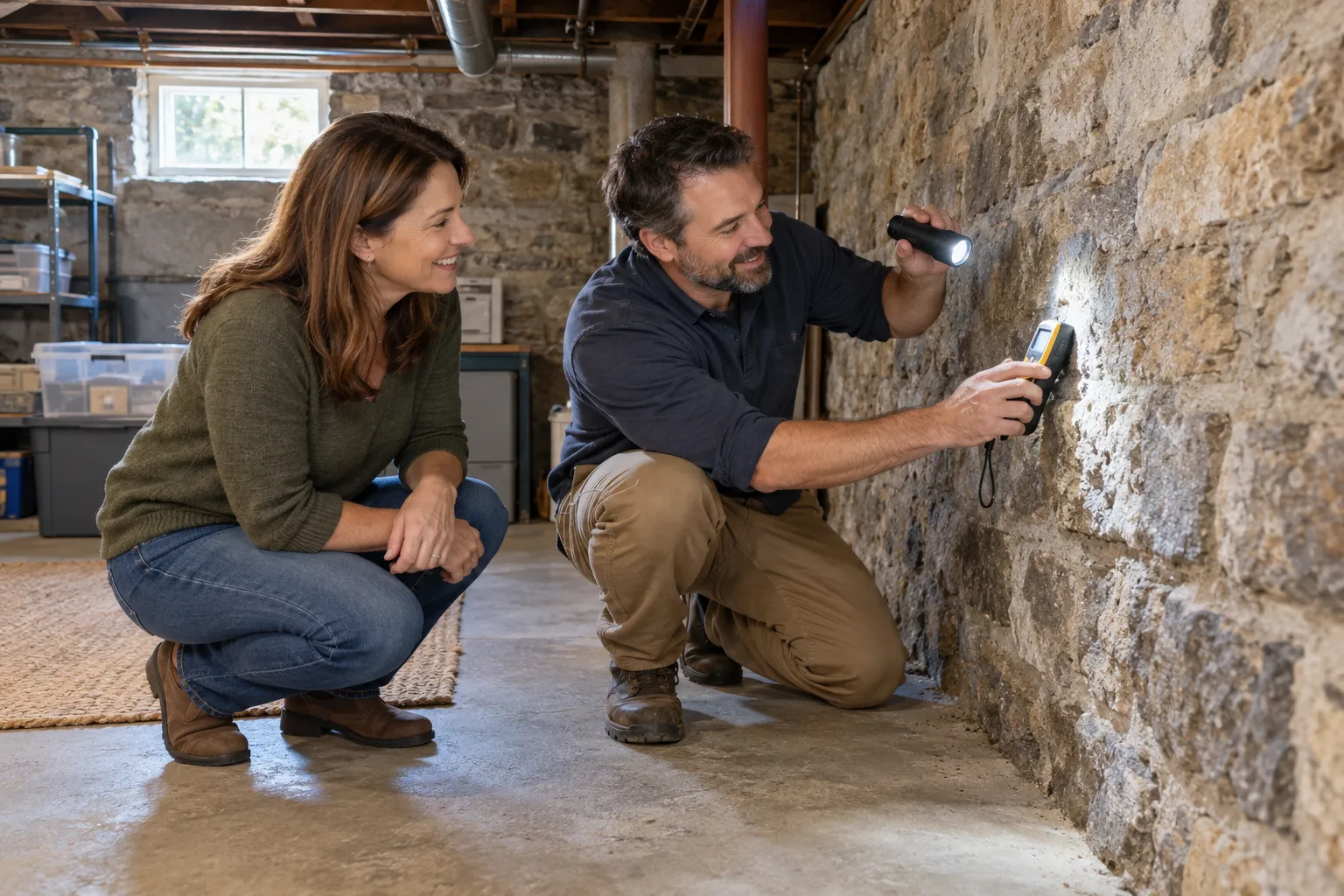
Here is how it goes. You tell us what you see. A provider in our network looks at the home and explains the next step in plain words. You compare the written quote and decide. There is no obligation at any point.
Many providers can respond quickly, but availability depends on the season and the provider. Snowmelt, storms and holiday weeks all keep schedules busy. Asking sooner usually gives you more choices.
Request a callback to check provider availability, or use the request form to describe what you are seeing.
Request Help
How It Works
A Referral Service, Not a Contractor
Fallsretail Mold Help does not send out workers, and we do not carry out any jobs. We are a connection point. Independent local providers in our network handle every inspection, test and repair. They set their own schedules, scopes and prices.
How a Request Moves Along
You share the basics: where the mold is, what the space is like and what has happened lately, such as a leak or a wet spell. We match that to a local provider. The provider then contacts you to set up a visit. After the visit, you get a written quote. You choose whether to go ahead.
What Providers in Our Network Can Do
Three kinds of help come up most often:
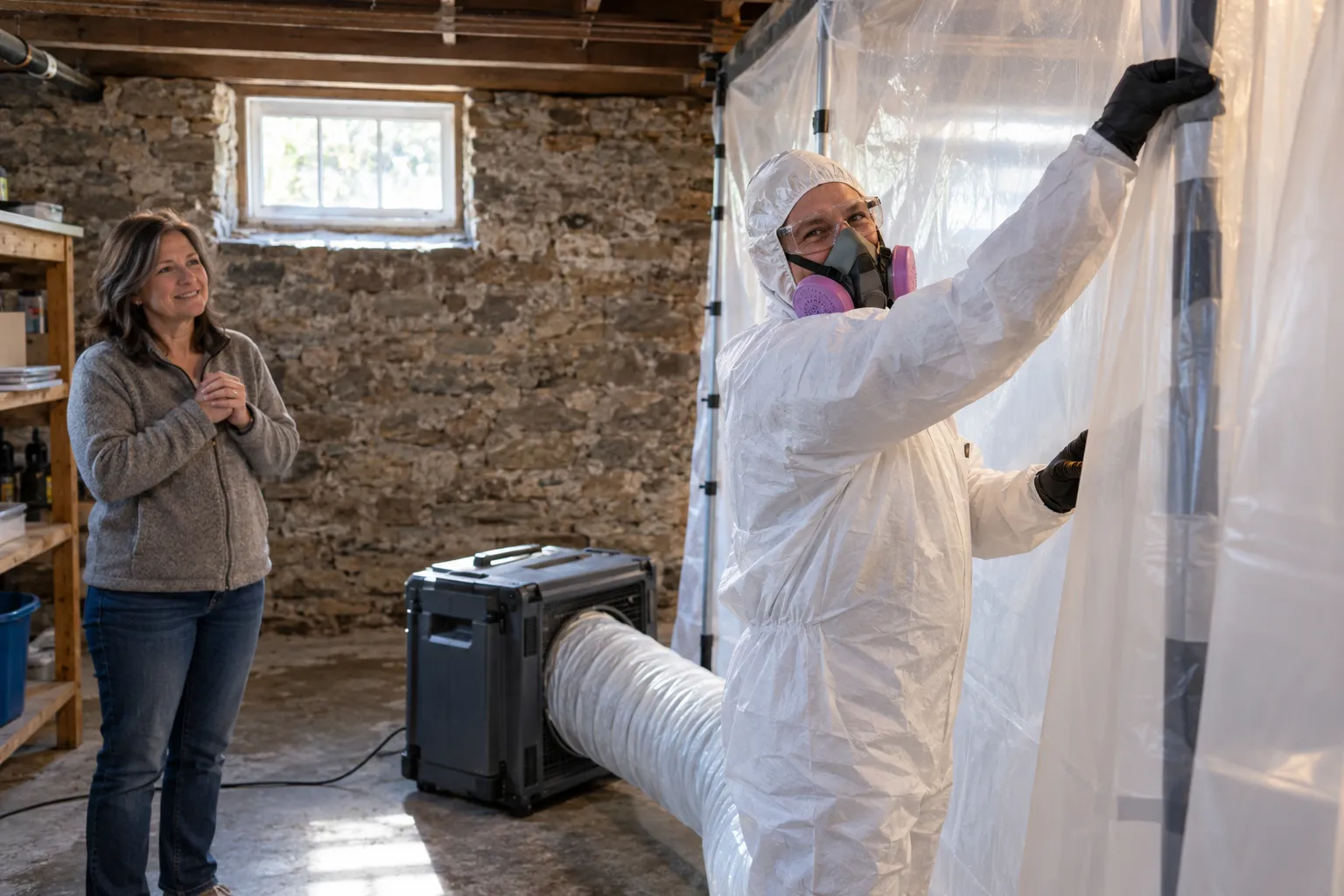
- Mold remediation: finding the moisture source, containing the area, removing affected material and cleaning up.
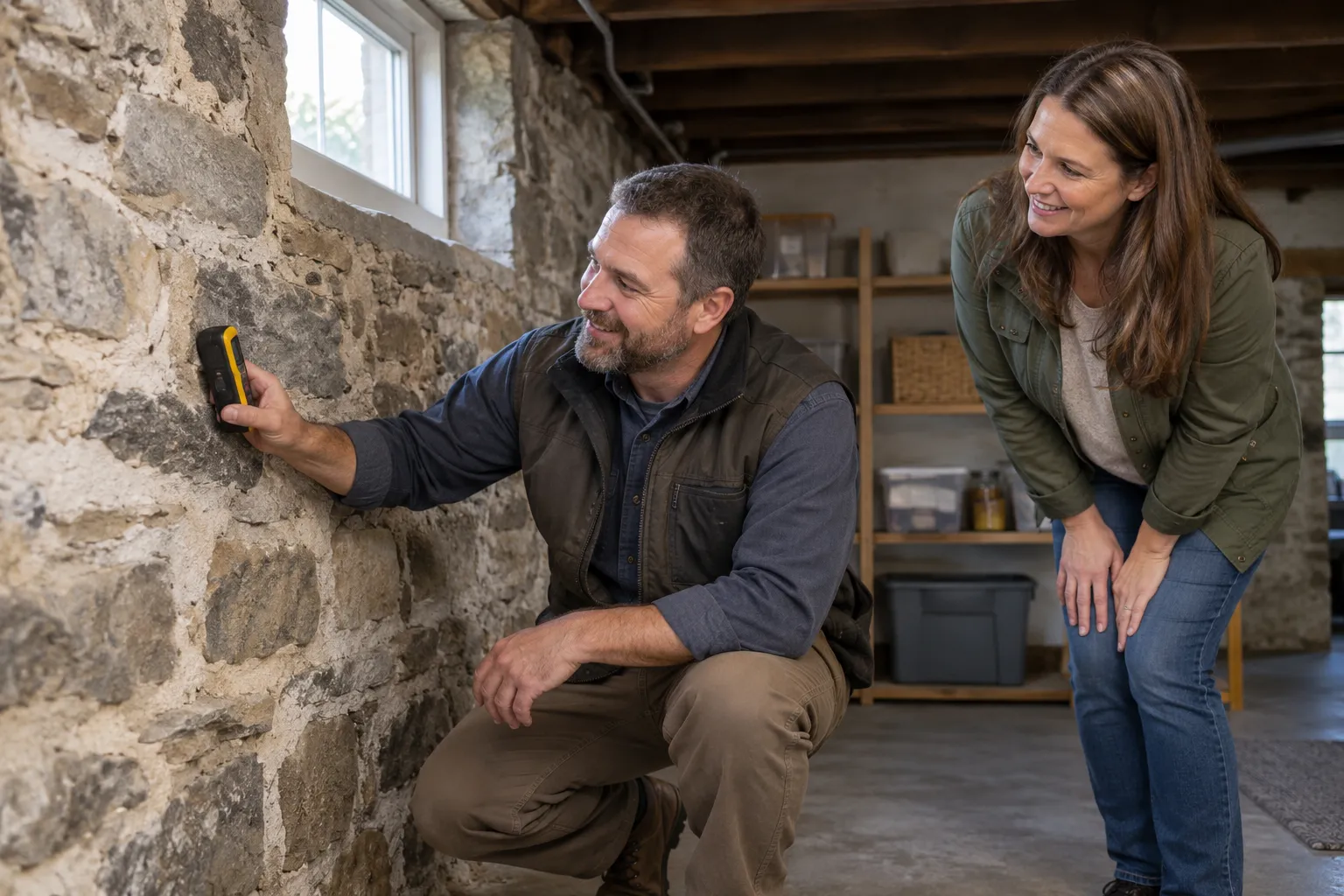
- Mold inspection and testing: a careful look at the home, plus air or surface samples when they make sense. Ask about certified mold testing and what the provider's credentials are.
- Black mold removal: careful removal of dark, stubborn growth, with attention to the moisture that fed it.
Why Homeowners Start Here
Searching for a trustworthy provider while worrying about your home is stressful. We keep it simple. You describe the problem once, and a local provider takes it from there. That leaves more of your attention for the real question: what caused the moisture, and how do we stop it from returning?
Serving the Princeton area Homeowners
Homes in the Princeton area have a lot in common. Many are older. Many have full basements with stone or block foundations. Multi-family buildings and Cape Cod style homes are everywhere, and each has its own tight corners where damp air can sit.
The weather adds to it. Cold, snowy winters keep houses sealed up. Spring snowmelt pushes water against foundations. Coastal storms drive rain sideways into walls and roofs. Then humid summer air settles into every basement.
Providers in our network work in these conditions all year. They know what an old foundation tends to do after a wet April, and what a closed-up attic looks like in February. That local sense helps them find the cause, not just the stain.
Request an estimate and tell us about your home. A local provider will follow up with questions and a written quote.
Request Help
Seasonal Mold Readiness for Local Homes
Winter: Closed Windows, Damp Air
In cold, snowy months, windows stay shut. Showers, cooking and laundry add moisture to the air. That moisture lands on cold spots like window frames, attic roof decks and basement corners. Dark spots there are an early warning.
Spring: Snowmelt Season
When snow melts, water looks for a way in. Stone and block foundations can seep along joints. Repeated cold snaps and thaws widen small cracks over the years. A damp basement in April can grow mold by May.
Summer: Sticky, Humid Air
Warm, humid weather turns basements into damp rooms. Cold pipes and walls sweat. A dehumidifier helps with the air, but it is not a fix for a leak.
Fall: Storm Prep
Coastal storms bring wind-driven rain. Before they arrive, clear the gutters, check the downspouts and look at roof flashing. Fall is also a calmer time to schedule an inspection, before winter crowds the calendar.
After the Work: Keep It From Coming Back
Removal clears the mold you have. Prevention keeps new mold away. Ask the provider what caused the moisture, and make sure that cause is fixed before you call the job done.
Keep Humidity in Range
A small meter shows your indoor humidity. Many homeowners aim to stay under about 50 percent. Run exhaust fans in baths and kitchens, and vent the dryer outdoors.
Walk the House After Big Weather
After heavy rain or a fast melt, check the basement, the attic and the corners of outside walls. Look, sniff and touch. Small problems caught early are smaller jobs.
Plan for Older Homes
Older houses, multi-family buildings and Cape Cod style homes often have tight attics and kneewalls. Good airflow, sealed foundation cracks and working drainage matter a lot in these homes.
What Does It Cost?
Typical U.S. ranges: testing often runs a few hundred dollars, and remediation for common jobs may run from about $1,500 to $6,000. Large or hidden growth can cost more. Prices vary by job, so get a written quote.
Insurance and Records
Some policies may cover sudden damage, so check your policy. Providers can often help document damage for a claim. Keep photos, reports and receipts together.
Ask Before You Hire
Ask for a written scope, how the work area will be contained, and how the provider will confirm the job is done. Good providers welcome these questions.
Ask a Local Provider
Not sure if what you found is mold? Wondering what a fix might involve? Ask. A provider in our network can look at your home and explain what is going on, with no obligation.
Request a callback to check provider availability, or tell us about the problem and we will point you to a local provider.
Request Help